How to Plan a Budget-Friendly Weekend Microadventure
Plan a budget-friendly weekend microadventure with smart tips on saving money, choosing local destinations, and maximizing experiences.
A Practical Budget Plan for Your Next Microadventure
Traveling doesn’t have to mean spending a lot of money, taking long vacations, or crossing the entire country.
In the United States, where distances are large but the options are even greater, there is a practical and affordable alternative: the weekend microadventure.
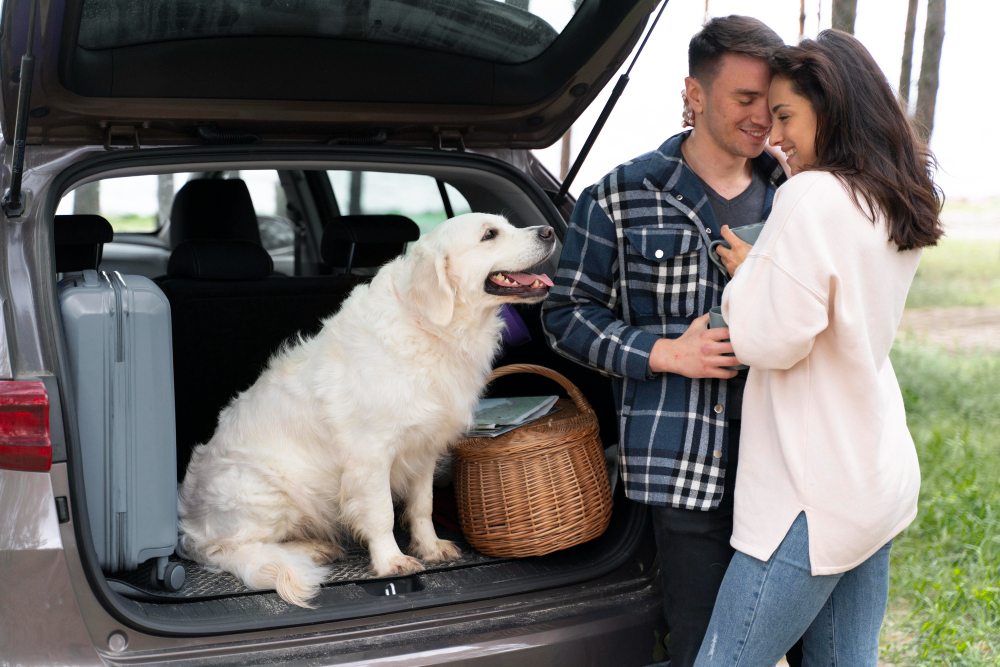
The idea is simple — step out of your routine, explore a new place, and come back refreshed, all with smart financial planning.
What Is a Microadventure?
A microadventure is a short trip, usually done over a weekend, focused on simplicity and experience.
It can be a hike in a state park, a night of camping, a visit to a small town, or even a different urban itinerary within your own region.
In the United States, this is especially easy to apply to.
Places like Yosemite National Park or Great Smoky Mountains National Park are well-known examples, but the concept works best when you think locally.
Start with the budget, not the destination.
The most common mistake is choosing the destination first and only then thinking about cost. If your goal is to save money, do the opposite.
Set a total budget for the weekend. It could be $100, $200, or $300 — the amount depends on your reality. From there, you build the entire experience.
Break the budget into categories such as transportation, food, accommodation, and activities.
This financial limit acts as a filter, automatically eliminating expensive options and forcing smarter decisions.
Transportation: The Biggest Cost (or the Biggest Savings)
In the United States, transportation is often one of the biggest expenses. That’s why this choice defines the success of your plan.
If you have a car, prioritize nearby destinations. Reducing distance is the fastest way to save money. Trips up to 150 km (about 90 miles) are ideal for microadventures.
Another strategy is to split costs. Traveling with friends reduces expenses for fuel, tolls, and even parking.
If you don’t have a car, explore alternatives such as regional buses or even train routes, depending on the area.
Accommodation: Simplicity Is an Advantage
Accommodation doesn’t need to be sophisticated—and in fact, it shouldn’t be if your goal is to save money.
Consider options like the following:
- Camping in state parks
- Hostels
- Simple roadside motels
- Budget-friendly Airbnbs
Camping, for instance, is often much cheaper than staying in a hotel, while also creating a more engaging and hands-on experience.
In regions close to nature reserves—like the areas surrounding Great Smoky Mountains National Park—this option is both popular and practical.
Food: Planning Helps Control Spending
Food expenses are easy to underestimate. Relying on restaurants for every meal can quickly push you over budget.
A better approach is to pack simple snacks, shop at local grocery stores, and stay away from heavily tourist-focused dining spots.
A small cooler with sandwiches, fruit, and drinks can significantly reduce expenses—and save time.
This doesn’t mean cutting restaurants completely but choosing strategically—perhaps one meal out as part of the experience.
Activities: Experience Doesn’t Have to Be Expensive
Many people associate leisure with spending, but that’s not necessarily true.
In the United States, there are countless free or low-cost activities, such as hiking trails, public beaches, parks, and local events.
The key is changing your mindset: the value of an experience is not defined by its price.
Avoid the Mistake of Doing Too Much
A microadventure is not a full vacation compressed into two days. Trying to fit too many activities can create stress — and extra costs.
Choose:
- One main destination
- Two or three key activities
This keeps the pace relaxed and allows you to enjoy each moment more fully.
The Time Factor: Plan to Avoid Losing Money
Poorly managed time turns into cost. Leaving late, hitting traffic, or missing reservations directly impacts your budget.
Simple decisions make a difference: leave early on Saturday, organize everything the night before, and have a basic plan.
The more efficiently you use your time, the less unnecessary spending you’ll have.
Financial Control During the Trip
Even on a short trip, it’s important to maintain financial control.
Set a daily spending limit. This helps avoid impulsive decisions. Small expenses — coffee, snacks, souvenirs — can add up quickly.
If possible, use a separate budget or track your expenses in real time.
Why Microadventures Work
The biggest benefit isn’t just financial. Microadventures work because they are sustainable.
They allow you to:
- Travel more frequently
- Reduce financial stress
- Explore your own region more deeply.
Instead of waiting months for a big trip, you create small, consistent experiences.

Related content
Smart Insurance Planning for Digital Nomads
Smart insurance planning helps digital nomads protect health, equipment, and travel while working remotely across cities.
Keep reading * You will remain on the current website