
Ways to Safeguard Your Credit Card: Tips from Experts
Credit cards can be fantastic tools, don’t you think? Yet, they do carry potential risks, particularly from scams, so it’s essential to understand how to safeguard yourself."
Credit cards serve as convenient payment tools, equipped with robust security measures. To safeguard your finances and avoid complications, it’s vital to implement preventive strategies and adhere to best security practices.
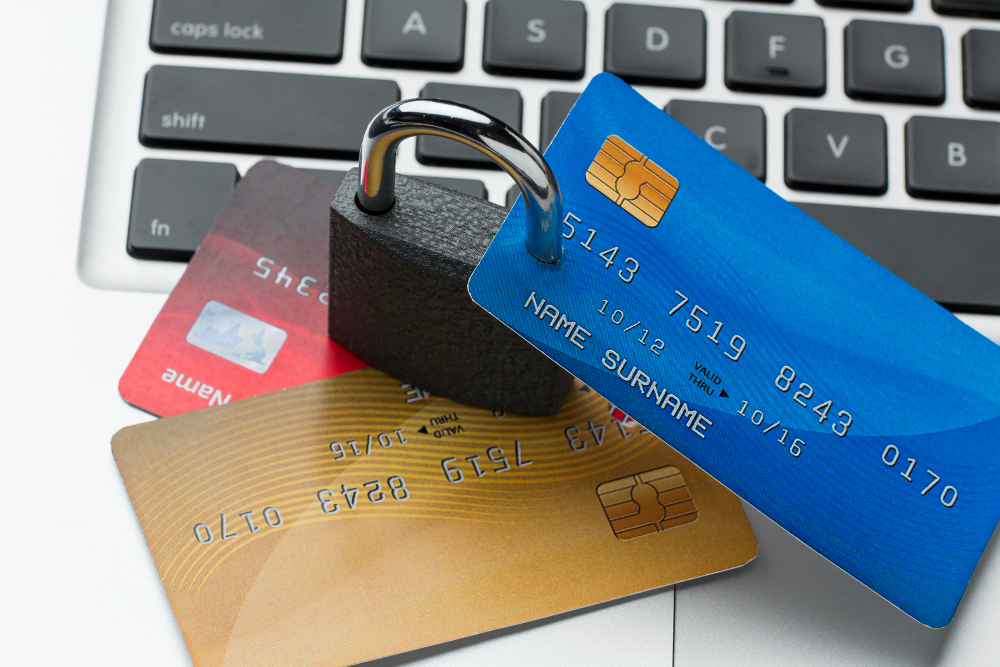
In this piece, we’ve compiled valuable insights to assist you in protecting your credit card from fraud and unauthorized use.
Utilize Virtual Cards for Online Shopping
Online shopping is a hotspot for fraudsters. To enhance your security, consider using virtual cards, which are temporary versions of your physical card.
Leading card issuers provide this option, allowing you to create a one-time number for each transaction. This way, if the information is compromised, it can’t be reused.
Activate Transaction Notifications
Many banks and credit card companies offer the option to enable instant notifications for every transaction made with your card.
You can opt to receive alerts via SMS, email, or through your banking app whenever a purchase is made. This allows you to quickly spot any suspicious activity and address it before it escalates.
Check Your Statements Regularly
Even with alerts set up, it’s important to routinely check your statements. Fraudsters often try to sneak in small unauthorized charges, hoping they go unnoticed.
By keeping an eye on your transactions, you can challenge any irregular charges and avoid financial setbacks.
Be Wary of Public Wi-Fi
Try not to make online purchases or check your bank account on public Wi-Fi, like those found in cafés, airports, or hotels.
These connections are often targeted by hackers who can intercept your sensitive financial information.
If you need to access sensitive information while on a public network, use a VPN (Virtual Private Network) to secure your connection. Whenever possible, rely on your mobile data or a secure Wi-Fi network.
Enable Two-Factor Authentication (2FA)
Whenever feasible, activate two-factor authentication (2FA) for securing your banking and credit card applications.
This feature enhances security by requiring an additional verification step, like a code sent via SMS or generated by an authentication app.
Choose Digital Wallets for Payments
Platforms like Apple Pay, Google Pay, and Samsung Pay offer added security by substituting real card numbers with encrypted tokens.
This means that if a merchant faces a data breach, your actual card information remains safe.
Moreover, these digital wallets incorporate biometric authentication, such as fingerprint or facial recognition, which minimizes the chances of unauthorized access.
Watch Out for Phishing Scams
Phishing is a prevalent method used by scammers to acquire credit card details.
These schemes often feature fraudulent emails or messages masquerading as banks or reputable companies, pushing you to click on dubious links and share personal data.
To safeguard yourself, always authenticate the sender’s legitimacy and steer clear of unknown links. When in doubt, reach out to the financial institution directly.
Secure Your Physical Credit Card
While digital security is crucial, it’s equally important to safeguard your physical credit card. Avoid leaving it out in public and refrain from carrying excess cards.
If you misplace your card or think it might be stolen, lock it immediately using your bank’s app or contact the card issuer.
Avoid Suspicious Card Readers
Scammers frequently attach devices known as “skimmers” to ATMs and payment machines to capture card details. Always inspect the card reader for signs of tampering before you insert your card.
Whenever you can, choose contactless payment options to lower your risk. In crowded areas or markets, cash can often be a safer and more practical choice.
Establish Spending Caps and Temporary Locks
A lot of card providers let you set daily spending limits or temporarily freeze your card using their mobile app.
This option is great if you don’t use your card frequently or if you want an added layer of security against unauthorized charges.
Caution: Deals That Are Too Good to Be True
Always check a site’s credibility before buying by looking for security indicators and verifying the URL to confirm it’s genuine.
Refrain from entering payment information on unknown sites or those lacking HTTPS.
By implementing these expert suggestions, you can greatly minimize the chances of fraud and enjoy a more secure credit card experience.

Related content
Micro-Investing Is Changing the Way We Grow Wealth
Discover how micro-investing can revolutionize your passive income strategy.nnn
Keep reading * You will be directed to an external website Micro-Investing Is Changing the Way We Grow Wealth
Keep reading You will be directed to an external website