
The Professional’s One-Bag Business Travel Setup
Discover how business travelers pack smarter with a one-bag setup that simplifies trips, saves time at airports, and still organized.
Choosing the Right Bag for Professional Travel
Traveling for work can introduce new places to the traveler, but at the same time it can be very exhausting—especially for those who are constantly on the move.
In-person meetings, conferences, client visits, and corporate training sessions often require quick travel between cities.
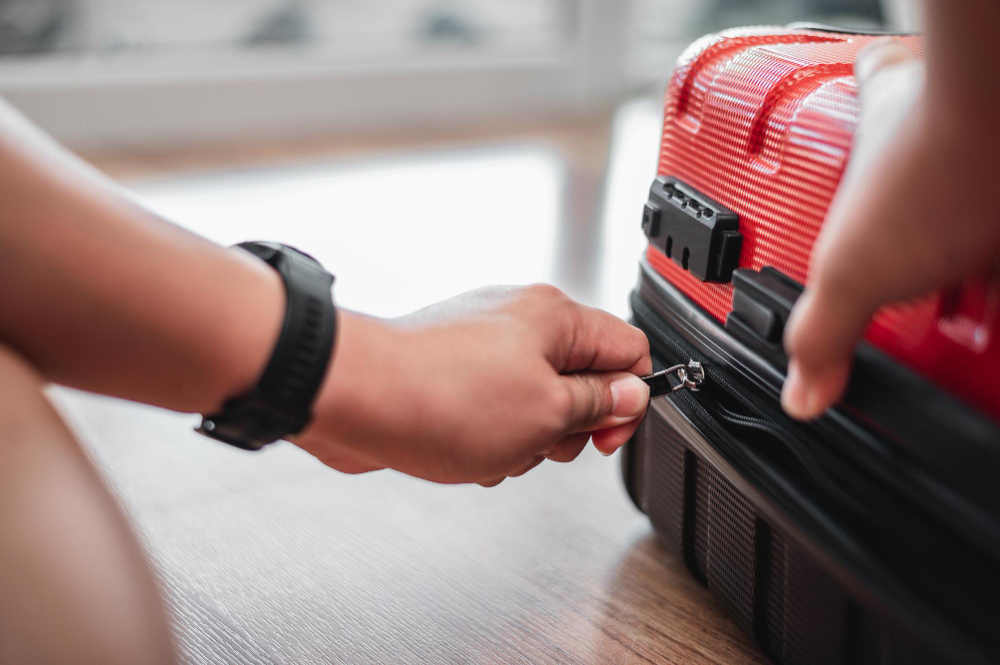
In this context, many business travelers have adopted an increasingly efficient approach: one-bag travel, meaning traveling with only a single piece of luggage.
This is a practical strategy that saves time, simplifies travel logistics, and reduces common airport inconveniences.
Why professionals are adopting the one-bag system
In the United States, corporate routes between cities such as New York, Chicago, Dallas, Seattle, and San Francisco are extremely common.
Many of these flights are short and often scheduled within tight agendas.
Traveling with just one bag offers several important advantages. First, it eliminates the need to check luggage and spend time dealing with that process at the airport.
Second, it makes urban mobility easier, especially in cities with heavy pedestrian traffic.
Finally, the one-bag approach encourages more strategic planning, avoiding excess and prioritizing only truly necessary items.
Choosing the right bag
The first step in building a professional one-bag travel setup is choosing the right bag.
Most business travelers opt for structured backpacks or compact suitcases that meet the carry-on limits of U.S. airlines.
These bags typically have a capacity between 30 and 40 liters, which is enough space to accommodate clothing, work equipment, and personal items for trips lasting two to four days.
Some features are particularly important for corporate travel:
- Dedicated compartments for laptops and documents
- Organized internal structure for clothing
- Quick access to electronics at security checkpoints
- Durable and discreet materials suitable for professional environments
Selecting clothes strategically
One of the biggest challenges of the one-bag system is building a compact wardrobe that still maintains a professional appearance.
The most common strategy is to focus on versatile pieces and neutral colors. A typical setup for a three-day business trip may include:
- One blazer or light jacket
- Two dress shirts
- One casual shirt
- One pair of dress pants or chinos
- One additional pair of pants or dark jeans
- Underwear for three days
- An extra pair of socks
Fabrics that resist wrinkles are preferred by many frequent travelers.
Materials such as merino wool and modern synthetic blends allow clothing to be worn more than once without compromising appearance.
Folding clothes using compression techniques or packing cubes also helps optimize the available space inside the bag.
Organizing work equipment
In addition to clothing, corporate travelers usually need to carry essential equipment to maintain productivity during the trip.
These items require space in the bag, especially essentials such as a laptop, charger, power bank, headphones, mouse, and adapters.
Keeping these items in a dedicated compartment makes it easier to pass through airport security checks.
Essential airport kit
Corporate travel often involves long periods in airports or delayed flights.
Having a small comfort kit can make a significant difference in the travel experience. Common items include:
- A reusable water bottle
- A sleep mask or earplugs
- A small hygiene kit
- A portable phone charger
In the United States, liquid rules for domestic flights follow specific limits, so it is important to use containers approved for carry-on transportation.
Staying organized during the trip
One of the advantages of the one-bag system is that it naturally encourages better organization habits.
Upon arriving at the hotel, many business travelers follow a simple routine: set aside the clothes planned for the next day and quickly reorganize the compartments of the backpack or suitcase.
This reduces the time spent getting ready in the morning and prevents important items from being forgotten during checkout.
In addition, keeping luggage organized makes it easier to deal with unexpected schedule changes, something relatively common in corporate travel.
Adapting the setup for different cities
Although the one-bag concept works well for most short trips, it can be adjusted depending on the destination.
Trips to cities with variable climates, such as Denver or Boston, may require additional clothing layers.
Travel to cities like Miami or Los Angeles, on the other hand, usually allows for an even lighter setup thanks to the more stable weather.
Experienced professionals often check weather forecasts a few days before the trip to adjust their clothing selection efficiently.