
7 ways the Fed’s rate increase might impact your budget
An increase in the Fed rate might impact your credit cards, loans, mortgages, and savings. Discover seven strategies to safeguard your monthly budget.
Could the Fed’s rate increase raise the cost of your debt?
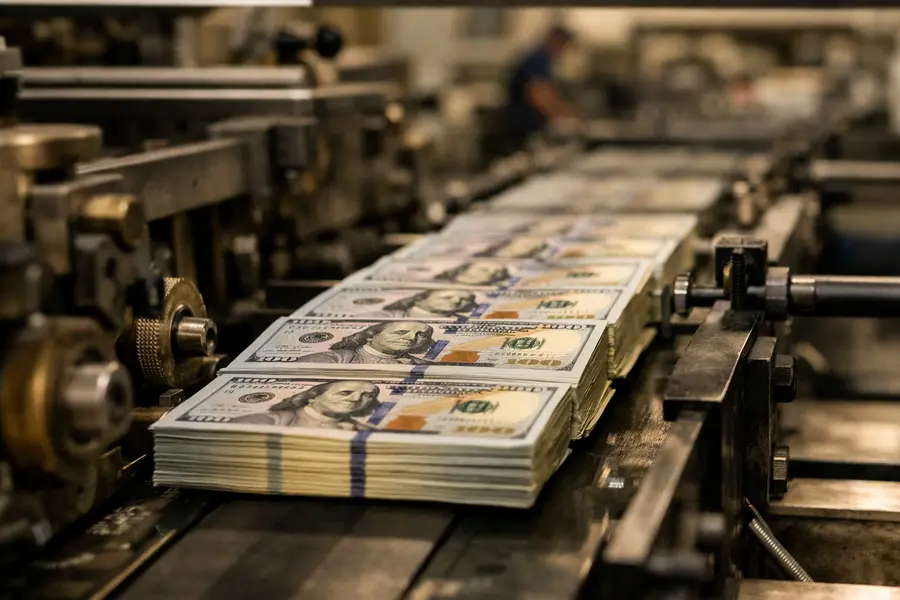
A Fed rate hike impacts more than just the stock and bond markets.
It affects the interest rates on credit cards, borrowing costs for vehicles and homes, monthly debt obligations, and even the earnings on your savings.
The key issue for your household isn’t just if the Fed will hike rates again. It’s how those interest rate changes might impact your current bills, upcoming purchases, and the money you’re saving.
Below are seven ways a Fed rate increase could influence your monthly finances, along with tips to help you get ready.
1. How a Fed Rate Hike Can Increase Credit Card Debt Costs
Credit card balances are often one of the first areas consumers should review after a rate increase.
Many credit cards feature variable annual percentage rates (APRs), which means their interest rates can fluctuate based on the card’s terms and the benchmark index the lender uses.
When the Fed increases its key rate, credit card APRs linked to the prime rate often rise accordingly.
However, the timing and size of these changes depend on your card’s specific terms, so not all cards will adjust their APRs immediately or by the same margin.
This effect can be especially noticeable if you tend to carry a balance rather than paying off your statement in full each month.
Data from the Federal Reserve Bank of New York shows that U.S. households owed roughly $1.263 trillion in credit card debt at the close of Q2 2026. This highlights why the cost of borrowing is a crucial factor for many budgets.
How rising credit card interest rates can impact your monthly payments
Suppose you have a $5,000 credit card balance. If your APR increases from 24% to 24.25%, the interest charged in one month on the same balance would rise from about $100 to $101.04.
This amounts to roughly $1.04 extra during the first month, based on a simple monthly estimate with no payments or new charges. Keep in mind, actual interest is usually computed using the issuer’s daily balance and billing cycle policies.
Though a quarter-point rise might seem minor, its impact grows when you factor in a large balance, several cards, fees, or frequent borrowing.
What steps you can take now:
- Check the current APR on every card where you carry a balance.
- Review your statement for interest charges and changes to your rate.
- Pay more than the minimum whenever your budget allows.
- Consider directing extra payments toward the balance with the highest interest rate.
- Compare balance-transfer offers carefully, including promotional periods, transfer fees, and the APR that applies afterward.
Reducing high-interest debt now can shield you from future rate hikes more effectively than hoping for lower borrowing costs later.
2. A Fed Rate Hike Could Raise Costs on Variable-Rate Loans
It’s not just credit cards that may become costlier. Variable-rate personal loans, home equity lines of credit (HELOCs), and other loans tied to benchmark rates can also see interest charges rise.
The main factor is whether your loan agreement permits rate changes and how those changes are determined.
With a fixed-rate personal loan, the interest rate usually remains steady as agreed. By contrast, variable-rate loans can fluctuate based on their terms, possibly raising your interest costs or monthly payments.
Why HELOC borrowers need to check their statements
A HELOC allows homeowners to tap into their property’s equity. Since many HELOCs have variable rates, a rise in benchmark interest rates can increase your borrowing costs once adjustments apply.
For instance, imagine you have a $30,000 HELOC balance and the annual interest rate climbs from 8% to 8.25%.
Using a straightforward interest-only estimate, your monthly interest would rise from about $200 to $206.25.
This means an extra $6.25 each month, assuming the balance remains the same and interest is charged on the full amount at the given rate. Your actual payment could vary based on your repayment plan, fees, and loan terms.
What you can do now:
- Identify which loans have fixed and variable interest rates.
- Check when your lender can adjust the rate.
- Ask whether your required payment could change.
- Review your loan’s repayment period and any applicable rate caps.
- Avoid taking on additional variable-rate debt without considering how a higher payment would fit your budget.
It’s important to know your risk before a higher payment surprises you.
3. How a Fed Rate Hike Could Raise the Cost of Car Loans
When buying a car, the interest rate can influence the total amount you’ll pay throughout the loan term.
While auto loan rates don’t track the federal funds rate exactly, the Fed’s moves often impact overall lending conditions.
Lenders also factor in your credit score, loan length, vehicle condition, down payment, and financial background.
This means that even if market interest rates stay the same, two buyers purchasing similar cars might receive very different financing offers.
4. How a Fed Rate Increase Could Influence Your Homebuying Decisions
For many American families, housing expenses take up a significant portion of their monthly budgets.
As interest rates climb, potential buyers might face higher monthly mortgage payments for the same home.
That said, it’s crucial to realize that mortgage rates don’t directly mirror the federal funds rate.
Mortgage rates are shaped by a variety of elements including Treasury yields, the market for mortgage-backed securities, inflation forecasts, lender pricing strategies, and overall economic trends.
While a Fed rate hike can impact these influences, mortgage rates don’t always follow the federal funds rate and may move independently.
Will your current mortgage payment rise?
If your mortgage has a conventional fixed rate, an increase by the Fed won’t directly change your agreed-upon principal and interest payments.
However, your overall housing costs might still fluctuate due to changes in property taxes, homeowners insurance premiums, or escrow adjustments.
If you have an adjustable-rate mortgage (ARM), it’s important to review your loan documents to see when your interest rate might adjust and what caps or limits are in place.
The Consumer Financial Protection Bureau notes that ARMs usually have limits on how much the interest rate can change initially, over time, and over the life of the loan.
How prospective homebuyers can get ready
Before purchasing a home, estimate your monthly payment based on several interest rate scenarios to better prepare your budget.
Don’t forget to factor in property taxes, insurance, upkeep, HOA fees, and other ongoing expenses when calculating your costs.
For instance, someone approved for a mortgage at one interest rate might find that a rise in rates lowers the price range they can realistically afford.
Testing different scenarios can protect your budget from relying too heavily on the most favorable financing terms.
If you already own a home, verify whether your mortgage has a fixed or adjustable rate before assuming any rate hike will increase your payments.
5. A Fed Rate Hike Could Boost Your Savings Returns
Rising interest rates don’t always spell bad news for every family.
Savers might see advantages if banks and financial firms raise the interest rates on qualifying savings accounts, money market accounts, or certificates of deposit (CDs).
The key word here is if. Banks don’t always fully transfer rate hikes to depositors, and the timing of those changes can differ.
Today’s competitive savings account may have a variable rate, meaning it could fluctuate over time.
On the other hand, CDs typically offer a fixed interest rate for a set term, following the account’s conditions and penalties for early withdrawal.
6. How a Fed Rate Increase Might Affect Your Daily Spending Habits
Rising borrowing expenses can influence how families decide to spend on daily essentials.
As debt costs increase, less cash might be left for groceries, transport, utilities, childcare, entertainment, and other key needs.
Not every household experiences this equally. Those without variable-rate debt may see little change in payments, while families carrying multiple balances could face greater financial strain.
Indirect consequences may also arise. Stricter financial conditions can affect business lending, hiring, investments, and consumer spending over time. Still, a single rate hike doesn’t automatically lead to layoffs, inflation, or recession.
H3: Why inflation and interest rates work hand in hand
The Bureau of Labor Statistics indicated that the Consumer Price Index (CPI) rose by 3.4% over the 12 months ending in August 2026. Gas prices went up 3.9% in August alone, while the overall CPI showed a seasonally adjusted increase of 0.4% for the month. Source: BLS.
These numbers offer valuable insight for families managing everyday budgets. Inflation tracks changes in what consumers pay, while the Fed’s policy rate affects borrowing costs. Though connected, they represent different economic factors.
An increase in the Fed’s rate doesn’t directly set prices for items like groceries or fuel.
Rather, the Fed adjusts monetary policy to shape financial conditions and consumer demand, aiming to steer inflation toward its long-term target of 2%.
7. A Fed Rate Hike Could Change Your Emergency Fund Strategy
Having an emergency fund becomes especially crucial when borrowing costs rise.
Without savings set aside, unexpected expenses like medical bills, car repairs, or a sudden loss of income might force you to turn to credit cards or loans.
This can trigger a costly cycle: an unforeseen cost leads to borrowing, which adds interest to your balance, and higher payments limit funds for future emergencies.
While better savings rates can help your emergency fund grow, its primary role is to provide quick access to cash and safeguard your finances—not to chase the highest returns.
How much should you keep in your emergency savings?
Many personal finance experts suggest aiming to save enough to cover three to six months of basic living costs.
Your ideal savings goal depends on factors like how steady your income is, your family’s needs, insurance protections, and other financial supports you might have.
If saving that much seems overwhelming, start with a smaller target—such as $500 or $1,000—and gradually increase it over time.
It’s wise to keep your emergency fund in a federally insured, easily accessible deposit account at a qualified bank. Make sure to check the account’s withdrawal rules and insurance limits, not just the interest rate offered.
Steps you can take now:
- Establish a practical savings goal based on your essential monthly costs.
- Set up automatic deposits you can comfortably manage after each paycheck.
- Keep your emergency savings separate from your regular spending funds.
- Replace funds promptly after you withdraw from your emergency stash.
- Don’t put emergency money into investments that could lose value before you need it.
Having an emergency savings fund can prevent costly borrowing when your finances are already stretched thin.
Author’s Opinion
A Fed rate increase doesn’t automatically spell financial trouble, nor does it impact every household identically.
The real danger lies in being caught off guard by the parts of your finances that are most sensitive to rising interest rates.
If you carry a significant credit card balance, even a small rise in APR can increase the cost of your already pricey debt.
For those looking to buy a home, higher borrowing costs may reduce the size of the house you can comfortably afford.
On the other hand, savers might find more chances to grow their cash through increased interest rates in this environment.
That’s why it’s best not to react with panic or make abrupt financial moves just because of news headlines.
Instead, carefully examine your loan terms, shop around for competitive rates, pay down costly debt when you can, and keep enough savings to cover unexpected costs.

Recommended Content
If You Were on SAVE
Discover why this matters, what comes next, and how to evaluate your new repayment choices.
Continue reading * You will remain on the current website