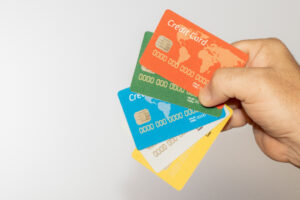
Ways to tweak your budget before debts start piling up
Discover how to fine-tune your budget early on to prevent debt from accumulating, with straightforward tips and smart financial planning techniques.
Is your budget slipping out of control? Take action before debts pile up

Handling your finances goes beyond just paying bills on schedule; it’s about ensuring what you spend now doesn’t turn into a financial strain later.
If you’re halfway through the year and your savings haven’t grown as planned, you’re definitely not the only one facing this challenge.
Many families in the U.S. begin the year with clear financial targets but find it hard to maintain focus as expenses gradually increase.
Costs like summer trips, festive holidays, rising utility charges, insurance hikes, and early back-to-school purchases often add extra strain on monthly budgets.
Reviewing your budget mid-year helps spot where money is leaking, tweak spending habits, and take back control before credit card debt builds up.
Why Conducting a Mid-Year Budget Check Is More Important Than Ever
The latter half of the year frequently comes with bigger expenses than many expect.
From summer vacations and back-to-school costs to holiday preparations and rising everyday expenses, small spending choices can quickly add up to heavy debt.
Meanwhile, interest rates are still higher than the usual historical levels.
Carrying credit card balances has become significantly costlier, which makes staying ahead with your budget one of the smartest financial habits you can adopt.
The Federal Reserve Bank of New York reports that total household debt is climbing to new highs, with credit card debt making up a significant portion.
Reviewing your budget doesn’t mean cutting out every expense; it’s about choosing wisely before financial pressures start impacting your everyday life.
Hidden Expenses That Slowly Eat Away at Your Earnings
Many assume that big purchases cause financial difficulties.
Actually, it’s the frequent small charges that often take a bigger toll on your finances.
Here are some typical examples:
- Multiple streaming subscriptions;
- Food delivery fees;
- Frequent coffee purchases;
- Auto-renewing memberships;
- Buy Now, Pay Later installments;
- Convenience shopping.
Although each cost seems small alone, combined they can add up to hundreds of dollars monthly.
Which Expenses Should You Cut Back On First?
Not all expenses should be treated with the same priority.
Focus on areas where cutting costs will save you the most without heavily affecting your daily routine.
Subscription Services
Many Americans tend to overlook the impact of recurring subscription fees.
Go through each subscription and consider these questions:
- Have I used it within the past month?;
- Can this subscription be shared with family?;
- Is there a no-cost alternative available?.
Simply cutting out two subscriptions you no longer use can free up hundreds of dollars each year.
Eating Out and Food Delivery
Dining at restaurants is now significantly more expensive than preparing meals at home.
Data from the U.S. Bureau of Labor Statistics shows that the cost of eating out has risen steadily, outpacing many family budgets.
Cutting back on dining out even a bit can quickly free up cash without giving up social gatherings altogether.
Spontaneous Online Purchases
Online sellers are skilled at prompting unplanned buys.
Before making a purchase, consider:
- Is this something I really need?
- Would I still want it tomorrow?
- Can I hold off for 24 hours?
Often, simply postponing the purchase helps cut down on needless expenses.
Managing High-Interest Debt Payments
If your credit card interest rate is 20% or higher annually, any extra spending elsewhere only adds to your financial burden.
Focus on paying off high-interest debt first before increasing discretionary expenses or making investments.
The Consumer Financial Protection Bureau notes that lowering revolving credit card debt can greatly enhance your long-term financial health.
Ways to Prevent Debt Before It Ever Begins
Stopping debt from accumulating is much simpler and less costly than trying to pay it off once your balances have grown large.
The secret lies in building money habits that minimize the need to borrow from the outset.
Start Small: Build Your Emergency Fund Step by Step
Many delay saving because they think they must save thousands right away. The truth is, steady saving matters far more than the initial sum.
Focus on Paying Off High-Interest Debt First
If you have balances on several credit cards or personal loans, target those with the highest APR to reduce interest costs fastest.
Apply the 24-Hour Rule Before Buying
Making impulse purchases poses a serious risk to maintaining a solid budget.
Hold off on buying any non-essential items for 24 hours before deciding.
Consider asking yourself:
- Do I still really want this?;
- Can I afford this comfortably?;
- Will I use it regularly?;
- Is there a cheaper option available?.
For bigger buys over $250, waiting up to 72 hours helps avoid impulsive, emotion-driven decisions.
Frequent Budgeting Pitfalls
Even those with good intentions can develop habits that work against their financial aims.
Below are some frequent budgeting errors and tips on how to steer clear of them.
Overlooking Minor Purchases
Small, repeated expenses often fly under the radar but can total hundreds of dollars monthly.
Solution: Record every cost for at least a month to spot spending trends.
Failing to Account for Irregular Expenses
Expenses like car repairs, holiday gifts, yearly insurance payments, and medical bills shouldn’t catch you off guard.
Solution: Set up a sinking fund to cover predictable but infrequent expenses.
Creating Budgets That Aren’t Realistic
Cutting out all non-essential expenses rarely succeeds over time.
Solution: Incorporate some flexibility into your budget while keeping your savings targets achievable.
Neglecting Regular Budget Reviews
A budget set in January might not match your financial situation halfway through the year.
Solution: Plan to revisit your budget every quarter or at least mid-year.
Author’s Perspective
Many believe financial troubles hit suddenly, but more often, debt accumulates slowly through unnoticed spending patterns and increasing living expenses.
Spending just one hour reviewing your budget now can save you from financial headaches for months or even years down the line.
A common myth about budgeting is that it means giving up all the things you love.
In reality, good budgeting is about matching your spending to what matters most to you.
Making small changes—like cutting unused subscriptions, curbing impulse buys, or saving part of each paycheck—can add up.
The latter half of the year often brings expected costs, including back-to-school expenses and holiday spending.
Taking a moment to review your finances now helps you get ahead instead of scrambling later.

Recommended Content
Where to invest your money in July before
Learn where to invest your money before U.S. yields fall.
Continue reading * You will remain on the current website