
Recent Inflation Trends: Implications for Credit Card Rewards
Discover the impact of U.S. inflation in 2025 on credit card rewards and explore effective strategies to optimize your cashback, points, and miles.
Post-Inflation Report: Are Rewards Still Valuable?
The U.S. is navigating a challenging inflation landscape: while rates have cooled from their recent highs, prices continue to strain purchasing power.
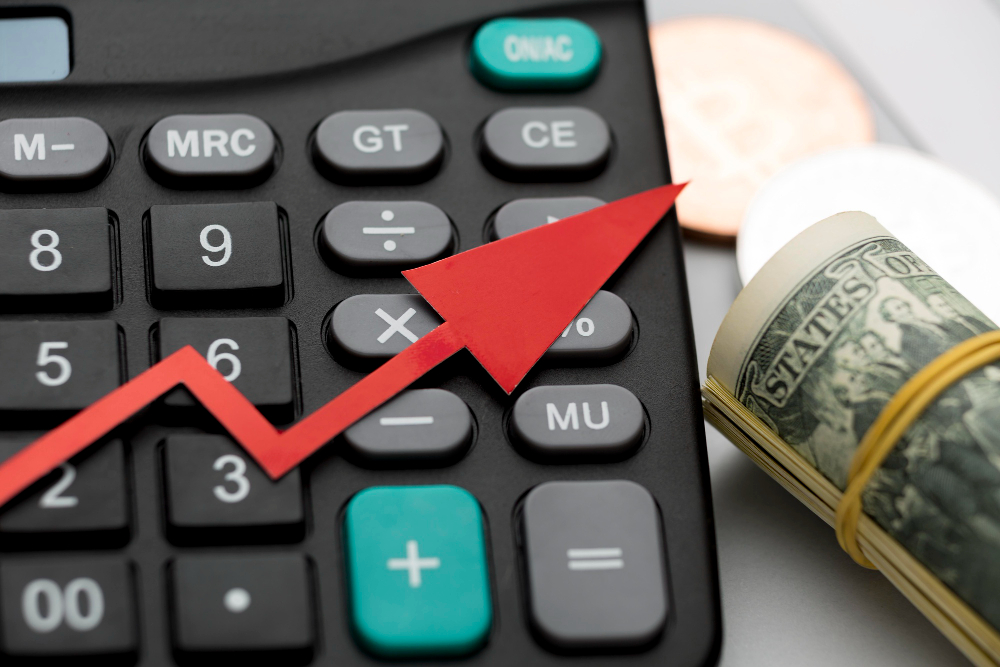
In this scenario, grasping the implications of current inflation for credit card rewards is crucial for anyone aiming to get the most out of their spending.
Current Inflation Patterns in the U.S.
Following peaks in 2022-2023, inflation in the U.S. is beginning to show signs of moderation.
While the Consumer Price Index (CPI) still reflects increases in some months, it is no longer near the extreme levels experienced before.
This easing provides some comfort, but it doesn’t negate the lingering impact of previous price hikes: numerous goods and services still carry a higher price tag than prior to the inflation spike.
The Impact of Inflation on Credit Card Rewards
1. Spending Limits That Don’t Adjust
A subtle yet significant consequence is that many cards impose spending limits for bonus rewards.
These thresholds — such as spending up to $X to earn 5% back — often remain unchanged from year to year.
In reality, due to inflation, these limits lose their “real value.” You hit the cap more quickly in terms of purchasing power, and extra rewards don’t keep pace.
Bankrate points out this very concern: while spending limits stay constant, purchasing power diminishes over time.
2. Points and Miles Losing Value
In reward programs based on points or miles, many issuers have shifted from fixed redemption rates to dynamic pricing that aligns with market conditions.
In essence, when the price of an airline ticket goes up, so does the number of miles needed to redeem it. As a result, points effectively lose their value.
Moreover, since points and miles don’t yield financial returns—unlike stocks, bonds, or even investments adjusted for inflation—their buying power diminishes over time.
3. Reduced Flexibility in Additional Benefits
In times of inflation, shoppers generally prefer rewards that are more liquid and adaptable—like cashback or immediate discounts—over more extravagant perks (like VIP lounge access or exclusive events).
As budgets become tight, what matters shifts. Card companies observe this trend: in inflationary times, people lean towards cashback and flexibility rather than luxurious or complex rewards.
Real-World Effects for Credit Card Holders
Daily Spending and Key Categories
If your credit card provides additional rewards for categories like groceries, gas, pharmacies, or food delivery, these perks can be especially beneficial during inflation, as they help with regular expenses.
Yet, these benefits often come with stipulations or caps (like “earn 5% up to $X each quarter”). Such limitations can disadvantage consumers in times of rising prices.
Costs of Credit and Interest Rates
Even when you maximize your rewards, carrying a balance on your card can negate those benefits.
Interest rates on credit cards are usually quite high, and as inflation and benchmark rates rise, so too do revolving credit rates.
Thus, it’s always wise to pay off the full balance on time. This way, rewards can still be advantageous despite the associated costs.
Reevaluating Your Card and Rewards Approach
- Opting for a straightforward cashback card with no hidden category limits
- Switching to programs that provide stronger incentives for essential spending
- Selecting cards with a more stable redemption program (less reliant on fluctuating prices)
- Cash in rewards sooner instead of letting them accumulate
Insights on U.S. Market Trends for 2025
- In 2025, over half (53%) of cardholders had revolving debt, indicating that many miss out on rewards due to interest charges.
- Another report found that cards with annual fees often lead to greater satisfaction among financially stable users.
- There is growing evidence that rewards are becoming less generous over time, with many stating that they are losing their appeal.
Strategies to Enhance Rewards Amid Inflation
- Focus spending on high-reward categories
- Be aware of spending caps
- Keep liquidity high and avoid debt
- Redeem your rewards frequently
- Mix up your rewards types
- Stay updated on rewards program changes
- Use cards wisely for big purchases

Related content
How to Conclude 2025 with Financial Strength
A practical guide to bolster your finances, reduce debt, and confidently step into 2026.
Keep reading * You will be directed to an external websiteHow to Conclude 2025 with Financial Strength
Keep reading You will be directed to an external website