Ways to Establish Credit Using Secured Credit Cards
Secured credit cards provide a chance to enhance your credit score even if you don’t have a high rating, thanks to the use of security deposits.
Establishing a strong credit history is crucial for securing the most favorable financing options in the United States.
This is vital when it comes to acquiring a standard credit card, car financing, renting a home, or launching a business.

For individuals starting from zero or looking to improve their credit score, secured credit cards can be a helpful resource.
What Are Secured Credit Cards?
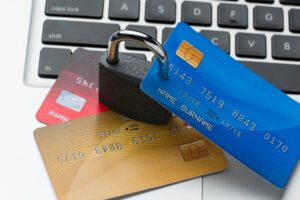
Secured credit cards are a unique category of cards that necessitate a security deposit for approval.
Usually, the deposit is equal to the card’s credit limit and acts as a promise to the issuer that the cardholder is capable of settling the bill.
This is what makes these cards easier to obtain for those with no credit history or a poor credit record, as it lessens the lender’s risk.
How Do Secured Cards Help Build Credit?
A major benefit of secured credit cards is that they report payment activity to the leading credit bureaus in the U.S.
This includes Equifax, Experian, and TransUnion, the three largest bureaus. By using the card wisely and paying on time, cardholders can start to establish a solid credit history.
This is a crucial factor in boosting a credit score over time.
Choosing the Right Secured Credit Card
Not every secured credit card offers the same features or benefits. Here are some key factors to keep in mind:
- Deposit Amount: Some cards start with a $200 deposit, while others may require more. Be sure to check the terms carefully.
- Fees: Confirm whether there are annual fees or other charges. Most secured cards lack annual fees, but always review the details.
- Credit Bureau Reporting: Make sure the issuer reports your activity to all three major credit bureaus.
- Upgrade Possibility: Some cards offer the chance to move to an unsecured card after maintaining a good payment history.
Popular Secured Credit Cards in the U.S.
Here are some popular secured credit cards:
- Discover it® Secured Credit Card: No annual fee and cashback, plus potential upgrade to unsecured status with good payment habits.
- Capital One Platinum Secured Credit Card: Requires a modest deposit and may boost your credit limit with responsible usage.
- Citi® Secured Mastercard®: A solid choice for those aiming to establish credit through a well-known issuer.
- Bank of America® Customized Cash Rewards Secured Credit Card: Provides cashback and the chance to upgrade to an unsecured card.
The market in the U.S. features numerous other secured credit card options. It’s wise to do thorough research to find the best fit.
Using a Secured Card to Boost Your Credit Score
- Pay on Time: Your payment history is crucial, making up about 30% of your credit score. Late payments can hurt your score, so always pay on time.
- Keep Utilization Low: Aim to use under 30% of your credit limit to maintain a good debt-to-credit ratio. Higher usage can raise red flags for creditors.
- Avoid Multiple Applications: Submitting many credit applications in a short time can hurt your score. It’s better to apply for one or two cards at a time.
- Track Your Credit: Use free tools to monitor your credit score and report any inaccuracies. Just be careful not to request too many credit checks, as they can lower your score.
When to Move to an Unsecured Card?
After responsible use for about six months to a year, many banks allow you to transition to a traditional credit card.
Some banks will refund the security deposit at this time, while others may not require a formal switch.
In many instances, opting for a different card or financial provider could be a better choice, so it’s crucial to research all options before applying for a new credit card.
Final Thoughts
Secured credit cards serve as a fantastic tool for individuals aiming to build or rebuild their credit in the U.S.
When managed wisely, they can lead to improved financial possibilities, including unsecured cards, loans, and reduced interest rates.
The crucial aspect is to use them judiciously, prioritizing timely payments and maintaining financial discipline.

Related content
The Importance of Digital Asset Insurance
Are your digital assets protected? Discover how digital asset insurance can help secure your finances.nn
Keep reading * You will be directed to an external website