
Smart Holiday Travel: Strategies for a Stress-Free Season
Smart holiday travel strategies to save money and navigate busy airports for a smoother end-of-year travel experience.
How to Save Time and Money (and also health)
Traveling at the end of the year is magical, but it is also a test of patience. In America, the period between Thanksgiving and early January is marked by high demand, elevated prices, and crowded airports.
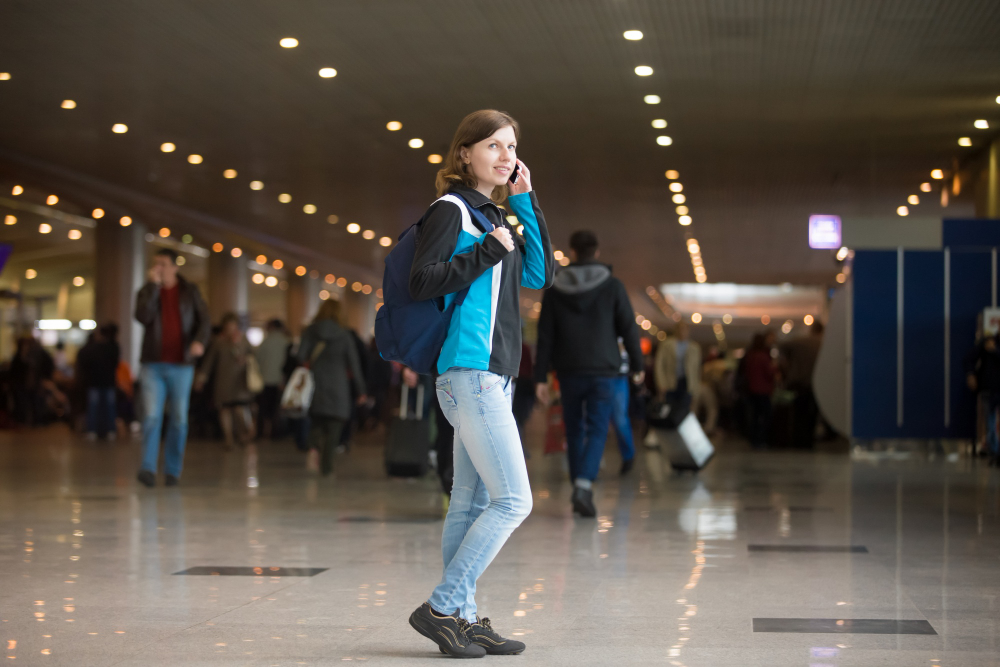
Below, you’ll find a complete guide to navigating the challenges of peak season, saving money realistically, and turning your holiday trips into smoother, more efficient, and more enjoyable experiences.
The typical travel-season behavior in the U.S.
Before any planning, it’s essential to understand how travel dynamics work during the festive period.
In the United States, the days leading up to Thanksgiving and the weeks between Christmas and New Year’s are some of the busiest travel moments of the entire year.
The sharp increase in demand raises not only passenger volume but also wait times, the likelihood of delays, and overall ticket prices.
For anyone seeking a stress-free holiday season, it is crucial to anticipate these trends and plan accordingly.
Financial planning: traveling well starts with a clear budget
Even seasoned travelers can be caught off guard in December. Higher prices and limited availability are common in cities like Miami, Orlando, Los Angeles, and New York.
Here are the main rules for this time of year:
Set a realistic spending limit
Consider not only airfare but also hotels, ground transportation, meals, and potential extra fees.
Book in advance whenever possible
While there is no absolute guarantee, most studies show that booking 50 to 70 days before traveling usually results in better prices for December trips.
Use points and miles strategically
Looking for alternative routes or less obvious connections can maximize the value of loyalty programs.
Choose less crowded travel days and times
One of the most effective strategies to reduce stress — and costs — is avoiding the traditional travel peaks.
Avoid flying on Fridays and Sundays
These are by far the most congested days of the season, both for leisure and business trips.
Prefer very early flights
Morning flights have a lower probability of accumulated delays throughout the day.
If possible, travel on the holiday itself
It’s not a popular tactic, but it is often effective. Flying on Christmas Day or New Year’s Day can mean substantial savings and far quieter airports.
Flexibility is one of the greatest advantages
Flexibility can reduce costs and improve comfort. Consider:
- Alternative airports, such as Fort Lauderdale instead of Miami, or Oakland instead of San Francisco.
- Adjusting travel dates by 24–48 hours, since even a small shift can dramatically reduce (or increase) fares.
- Strategic connections: while nonstop flights are more convenient, adding a connection can significantly reduce ticket prices during competitive travel periods.
Smart luggage management to reduce stress
The holiday season is also a time when baggage mishandling increases. To minimize risks, prioritize traveling with carry-on only, eliminating lines and reducing waiting time.
Invest in devices like AirTags or Tiles — extremely helpful in ultra-busy airports. Full flights often run out of overhead-bin space quickly, forcing passengers to gate-check their bags at the last minute.
Technology as your ally throughout the entire trip
Smart use of digital tools can completely transform the holiday travel experience:
Airline mobile apps
They provide real-time updates, allow quick changes, and reduce your dependence on airport lines.
Price monitoring tools
Platforms such as Google Flights, Hopper, and Kayak help you identify price drops and trends for specific routes.
Early check-in and digital boarding
They prevent lines and improve the flow at the airport.
Preparing for adverse winter weather
The North American winter can bring significant disruptions, ranging from heavy snowstorms in the Northeast to severe weather in the Midwest.
Monitor weather forecasts frequently, have contingency plans, and purchase travel insurance with weather-related coverage.
Strategies for navigating crowded airports
During this time of year, adopting habits that reduce wait times and stress is essential.
- Arrive earlier than usual — ideally 30 to 60 minutes more than you normally would.
- Consider programs like TSA PreCheck or Global Entry, which quickly pay for themselves.
- Keep everything organized: documents, boarding passes, electronics, and personal items should be easily accessible to speed up the process.
Family travel: lighter logistics
For those traveling with children or elderly passengers, extra planning makes all the difference. Essential items include:
- Easy-access snacks
- Organized documentation
- A well-prepared bag with comfort essentials
- Extra flexibility to handle unexpected situations

Related content
Travel Inspiration for the Final Month
Discover December travel inspiration with winter magic, tropical escapes, and cultural journeys to help you end the year happier.
Keep reading * You will remain on the current website