
A 30-Day Step by Step Plan to Get Your Finances in Order
Feeling overwhelmed by money? Follow this simple 30-day plan, one small task a day, to organize your finances, cut debt and start saving.
Updated November 2026
Quick answer: You can get your finances in order in 30 days by taking one small step a day across four weeks.
In week 1, see where you stand: list your accounts, debts and spending, and check your credit.
In week 2, build a simple budget and cut what you don’t need.
In week 3, make a plan to pay down debt and lower your interest.
In week 4, start an emergency fund, protect your credit and set goals for the next 90 days.
When money feels messy, the hardest part is knowing where to start. You don’t need to fix everything this weekend. You need one small task a day.
Thirty days from now, you’ll know exactly where your money goes and have a plan for what comes next.
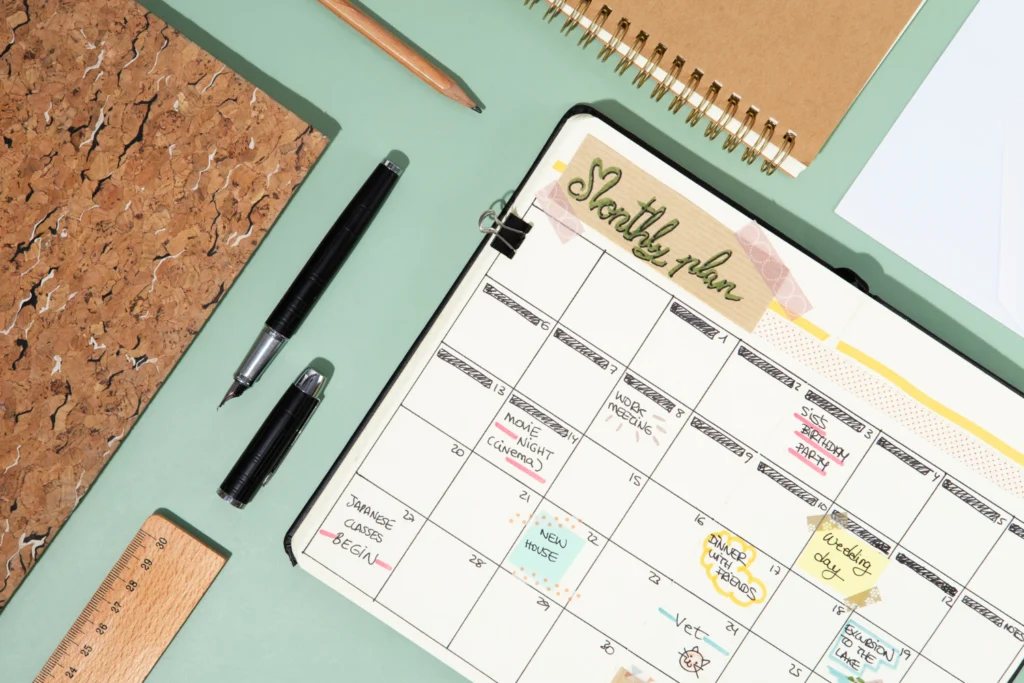
Why does a 30-day plan work better than a big overhaul?
Because small daily tasks are easier to finish, and finishing them builds momentum.
Trying to fix your whole financial life in one weekend usually ends in burnout.
Spreading the work over a month gives you time to see real patterns in your spending, make calls during business hours and let new habits like autopay and weekly check-ins settle in.
It also keeps you honest. When each day has just one job, there’s no room for “I’ll deal with it later.”
How does the 30-day plan work?
Each week has one goal, and each day has one task that takes 15 to 30 minutes.
Miss a day? Just pick up where you left off. Progress matters more than perfection.
Week 1: What should I do first to organize my finances?
Start by getting the full picture. You can’t fix what you can’t see.
By the end of this week, you’ll have: a complete list of your accounts and debts, a clear view of your credit and a realistic picture of your monthly spending.
- Day 1: List every account. Checking, savings, credit cards, loans and retirement accounts, with logins in a safe place.
- Day 2: List all your debts. For each one, write the balance, interest rate (APR), minimum payment and due date.
- Day 3: Check your credit reports. Get them free every week from Equifax, Experian and TransUnion at AnnualCreditReport.com, the official site.
- Day 4: Find your take-home pay. Write down what actually lands in your account each month.
- Day 5: Review last month’s spending. Go through your bank and card statements and sort each expense into categories.
- Day 6: Spot your money leaks. Look for subscriptions, fees and small purchases that add up.
- Day 7: Calculate your net worth. Subtract what you owe from what you own. It’s your starting line, not a grade.
Week 2: How do I build a budget that actually works?
Give every dollar a job, and keep it simple enough to stick with.
By the end of this week, you’ll have: a written budget, fewer unnecessary expenses and bills that pay themselves on time.
- Day 8: Choose a budget method. A popular starting point is the 50/30/20 guideline: about 50% for needs, 30% for wants and 20% for savings and extra debt payments. Adjust it to your reality. Here’s a minimalist monthly expense framework.
- Day 9: Write your budget. Use your real numbers from week 1.
- Day 10: Cancel what you don’t use. Review every subscription and keep only what you’d sign up for again today.
- Day 11: Lower a bill. Call your phone, internet or insurance provider and ask for a better rate.
- Day 12: Automate your bills. Set up autopay for at least the minimum on every account, so you never miss a payment. Here’s how to automate your monthly bills.
- Day 13: Plan for irregular expenses. Car registration, gifts and annual fees aren’t surprises. Divide their yearly cost by 12 and set that amount aside each month.
- Day 14: Do a check-in. Compare your spending this week with your budget and adjust.
Week 3: How do I take control of my debt?
Pick a payoff strategy and make every payment work harder.
By the end of this week, you’ll have: a clear payoff order, extra money aimed at your debt and possibly a lower interest rate.
- Day 15: Understand your interest. The average APR on credit card accounts charged interest was 22.15% in the second quarter of 2026, according to the Federal Reserve. Here’s how much of your payment goes to interest.
- Day 16: Choose a payoff method. The avalanche method pays the highest APR first and saves the most money. The snowball method pays the smallest balance first for quick wins. Compare strategies to pay off credit card debt.
- Day 17: Find extra money for debt. Put whatever your budget freed up toward your target debt.
- Day 18: Ask for a lower APR. Call your card issuer. If you’ve paid on time, you have a good case.
- Day 19: Look at lower-rate options. A balance transfer card or a personal loan may cut your interest, but read the terms and fees carefully.
- Day 20: Dispute any credit report errors you found on day 3. The bureau generally has 30 days to investigate, according to the CFPB.
- Day 21: Lower your card balances. Aim to use less than 30% of your limits, a common rule of thumb.
Week 4: How do I protect my progress and plan ahead?
Build a safety net so one surprise doesn’t undo your hard work.
By the end of this week, you’ll have: an emergency fund in motion, protected credit and clear goals for the next three months.
- Day 22: Open or choose a savings account for emergencies, separate from checking. Keep it in an FDIC-insured bank, where deposits are covered up to $250,000 per depositor, per bank, per ownership category.
- Day 23: Automate your savings. Even $20 a paycheck adds up, and automatic transfers remove the temptation to skip.
- Day 24: Freeze your credit. It’s free under federal law and blocks new accounts from being opened in your name. You can lift it when you apply.
- Day 25: Review your insurance. Make sure your health, car and renters or homeowners coverage fits your life.
- Day 26: Check your retirement plan. If your employer matches 401(k) contributions, try to contribute at least enough to get the full match.
- Day 27: Set three money goals for the next 90 days. Make them specific, like “pay $600 toward my card” or “save $500.”
- Day 28: Schedule a weekly money date. Fifteen minutes each week to review spending and progress.
- Day 29: Review your 30 days. What worked? What didn’t? Adjust your budget.
- Day 30: Celebrate, then plan the next step. Here’s how to build a stronger financial profile over the next few months.
What if I’m living paycheck to paycheck?
Follow the same plan, but shrink the goals. If there’s nothing left at the end of the month, week 1 matters even more, because it shows you exactly where money is slipping away. Focus on three things first:
- Cover essentials before anything else: housing, utilities, food, transportation and minimum debt payments.
- Find one leak to plug, even if it’s just $25 a month.
- Start saving tiny amounts. A $5 or $10 automatic transfer still builds the habit.
If you’re behind on bills, call your lenders before you miss a payment. Many offer hardship programs, but you usually have to ask.
What are the most common mistakes to avoid?
- Making the budget too strict. If it leaves no room for anything fun, you won’t stick with it.
- Skipping the emergency fund. Without one, every surprise expense goes back on a card.
- Paying only the minimum. Most of a small payment goes to interest, so your debt barely moves.
- Opening new cards to “fix” debt without a payoff plan.
- Doing it all in one day. Small, steady steps last longer than one big push.
Your 30-Day Checklist
Track your progress and build better financial habits, one step at a time.
Frequently asked questions
You can get organized and build a plan in 30 days. Paying off debt and growing savings take longer, but this plan gets you moving in the right direction.
List every account and debt you have. Knowing your numbers is the foundation for everything else.
Many people start with a small emergency fund so a surprise expense doesn’t lead to more debt, then focus extra money on high-interest debt.
Many experts suggest three to six months of essential expenses over time. A smaller starter goal, like $500 to $1,000, is a good first milestone.
Adjust it. A budget should match your real life. Review it weekly and change categories that don’t work.
Check out your most common credit questions, answered.
One month from now, you’ll be in control
You don’t need to be a finance expert. You just need to show up for a few minutes each day. Start with day 1 today.
👉 Next step: Find the credit card that fits your new plan

I have been a content producer for over 10 years, specializing in online writing across a wide range of topics—particularly finance, health, and human behavior. I’m an expert in SEO-driven writing and cultural research.